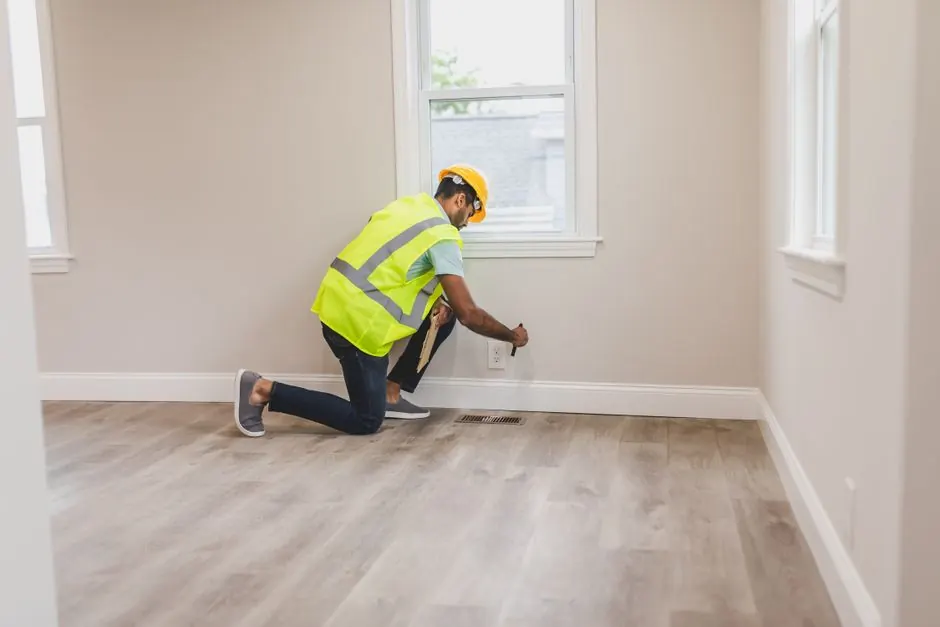
Moisture mapping
A grid of readings records how far moisture has spread through drywall, plaster and framing.
Quick Answer
A technician combines a moisture meter, an infrared thermal camera and acoustic listening to trace where moisture is highest and where water is moving. Because the stain is often not directly below the leak, the tools are used to follow the moisture path back to the actual pipe.
Stains rarely sit right under the leak. This work follows the moisture back to the source.
A grid of readings records how far moisture has spread through drywall, plaster and framing.
An infrared camera highlights cool, damp areas and temperature patterns of hot-water lines.
Contact sensors can hear pressurized water escaping inside the wall.
Findings help limit the number and size of repair openings.
Many Oak Park homes have plaster-and-lath walls, decorative moldings and original woodwork. Opening them to chase a leak is destructive and expensive to repair well, which is exactly why non-invasive detection matters more here than in newer drywall construction.
Common sources of in-wall leaks include supply lines with corroded threaded joints, tub and shower valves, drain lines from upstairs bathrooms, radiator and hydronic heating lines, and failed seals around tile. In ceilings, the source is often a bathroom above, a radiator line, or an air-conditioning condensate line.
If you see a stain, it helps to mark its edge with a pencil and date it so changes are easy to see. For symptoms to watch, read signs of a hidden water leak in your house. When the source is outdoors, see exterior leak detection.
A moisture-first approach avoids unnecessary openings.
Observe
Stains, odors, sounds and recent plumbing work are reviewed to guess the path of the water.
Scan
Thermal and moisture tools map the wet area on both sides of the wall or ceiling.
Trace
The wettest point and the water's path are followed back toward the pipe.
Plan access
The least damaging place to open the wall is chosen, or repair is planned from an adjacent space.
Infrared thermal camera
Visualizes temperature differences associated with damp materials.
Pinless moisture meter
Scans surfaces without damaging them.
Pin-type moisture meter
Provides reading depth into wood or plaster when needed.
Borescope
Allows a look inside a cavity through a small hole.
Moisture mapping
Documents moisture across the wall to define the edges of damage.
Water-off versus water-on comparison
Comparing readings with the water on and off identifies active leaks.
Pressure testing
A short test of the suspect line confirms it is the source.
01
What happens: The area above is checked: bathroom, radiator, or roof.
→ The true source is identified before you repaint.
02
What happens: Moisture readings show if the wall is wet or only damaged by humidity.
→ You avoid repeated cosmetic repairs.
03
What happens: Acoustic sensors help locate the sound and test the nearby lines.
→ The pipe can be repaired before the wall is soaked.
Wall and ceiling leaks cluster in particular types of Oak Park buildings:
Frank Lloyd Wright Historic District
Original plaster and woodwork make precise location critical.
Bungalows and Prairie-era houses with upstairs bathrooms added later.
Large older homes near the park with multi-story plumbing runs.
Plaster and lath
Slow to dry and costly to repair, so accurate location matters.
Radiator systems
Older hot-water and steam heating lines can leak inside walls.
Stacked bathrooms
Upstairs baths often sit directly over living space.
These leaks often hide for months.
Problem
Cosmetic repairs fail if the source keeps leaking.
How It’s Handled
Locating the source stops the cycle.
Problem
Hidden moisture encourages mold growth.
How It’s Handled
Detection allows drying before growth spreads.
Problem
Opening walls blindly causes extra damage.
How It’s Handled
Mapping limits openings.
Especially valuable in plaster homes.
Preserves finishes
Less demolition means less repair to plaster and trim.
Faster repair
Knowing where to open saves time.
Lower mold risk
Early drying reduces growth.
Clear documentation
Moisture maps support repairs and insurance.
LeakFix Oak Park is not a contractor. Independent contractors perform all work, and verifying their license and insurance is your responsibility.
Straight answers about in-wall & ceiling pipe leak detection in Oak Park.
Systematic moisture readings that show how far dampness extends in walls, floors and ceilings.
View Moisture Detection & MappingInfrared scans that reveal hidden moisture, warm leaks and heating line problems.
View Thermal Imaging Leak DetectionRoom-by-room leak checks for bathrooms, kitchens, laundry rooms, basements and appliances.
View Indoor Leak DetectionUnderstand the source, category and spread of water damage before repair begins.
View Water Damage AssessmentRead more about this topic on our blog.
Ten warning signs of a hidden water leak, how to confirm one with a meter test, and when to bring in a leak detection professional in Oak Park, IL.
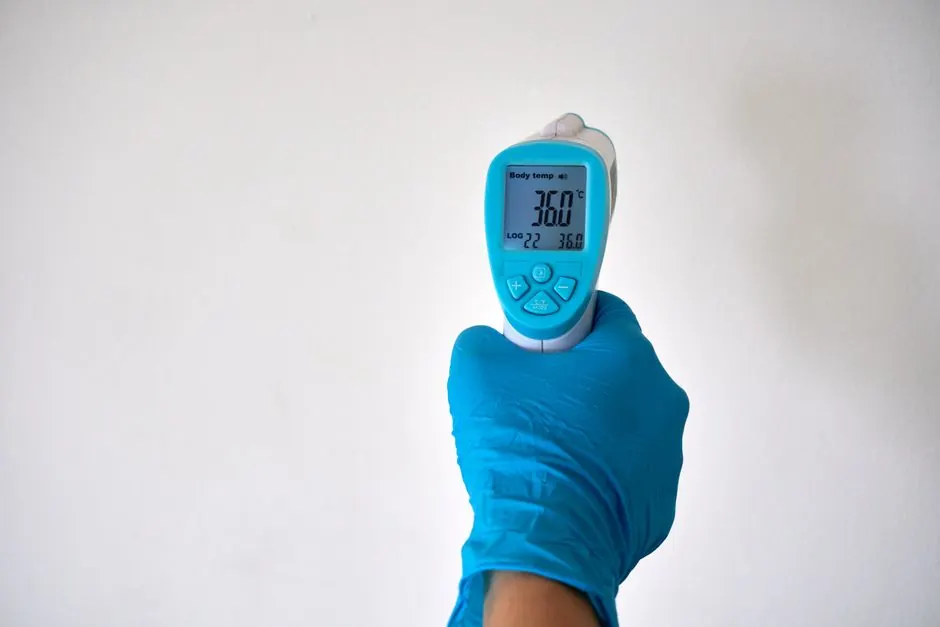
How infrared thermal cameras reveal hidden moisture and warm leaks in walls, ceilings and floors, what they cannot do and how they are paired with other tools.
In-Wall & Ceiling Pipe Leak Detection is available across all four Oak Park ZIP codes: 60301, 60302, 60303, 60304.
Tell us what you are seeing — a damp spot, a high water bill, a sound in the wall — and we will point you to a local leak detection professional who can look at it.
Phone
(708) 221-8167Address
439 Madison St
Oak Park, IL 60302
Service ZIP Codes
60301, 60302, 60303, 60304
Oak Park, Cook County, Illinois