How it works
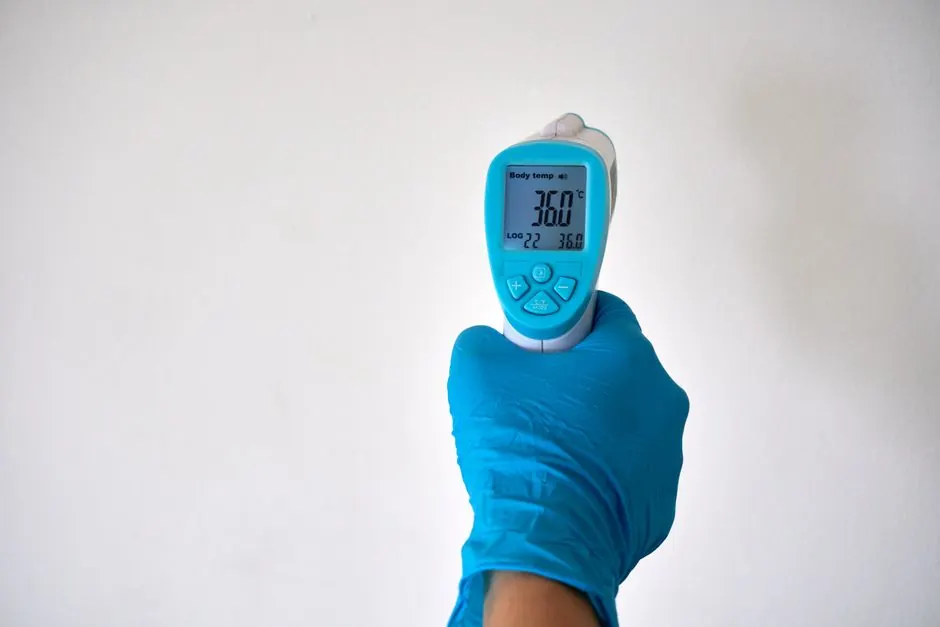
Every object emits infrared radiation. A thermal camera converts that into an image where color represents temperature. When water soaks a wall or floor, the material cools as moisture evaporates and conducts heat differently from dry material. A hot-water leak can warm the surrounding surface.
The camera does not see through walls. It shows what is happening on the surface, which is a sign of what is happening behind it.
What thermal imaging is good at
- Scanning large wall and ceiling areas quickly.
- Locating damp spots behind paint and plaster.
- Finding warm spots from hot-water line leaks.
- Tracing hydronic and radiant heating lines.
- Documenting conditions with images for repairs and records.
What it cannot do
Thermal imaging needs a temperature difference. In a room with an even temperature or in some insulated assemblies, a leak may not show. A cold-water leak in a slab can be hard to see. For this reason a careful technician always confirms with a moisture meter and, for pressurized lines, acoustic equipment.
Cool areas can also be drafts, missing insulation or other non-leak causes. That is why interpretation matters as much as the equipment.
Why it matters in older Oak Park homes
Plaster-and-lath walls and original woodwork are costly to repair. A scan that narrows the leak to a small area before anything is opened is valuable, especially in places like the Frank Lloyd Wright Historic District. See thermal imaging leak detection and moisture mapping.