Meter and pressure checks
The meter is read with every fixture off to confirm flow, and system pressure is checked to separate a true leak from normal fluctuation.
Quick Answer
Water leak detection is the process of confirming that water is escaping and then pinpointing exactly where. A technician usually starts with a water-meter test, then narrows the search with acoustic listening devices, moisture meters and thermal imaging, so the repair can be limited to the spot that is actually leaking.
A thorough visit moves from "is there a leak?" to "exactly where is it?" in a logical order, so you are not paying to open walls on a guess.
The meter is read with every fixture off to confirm flow, and system pressure is checked to separate a true leak from normal fluctuation.
Toilets, faucets, supply stops, hose bibs, the water heater and appliance connections are inspected, since most household leaks start at a fixture.
Acoustic listening, moisture meters and an infrared camera locate the source behind finished surfaces.
You should leave with the leak location, likely cause and the sensible repair options, so you can compare repair bids clearly.
Most Oak Park homes were built between roughly 1892 and 1950, so the plumbing behind the plaster may include galvanized steel, copper that has been added to over the decades, and cast-iron drains. Each of those fails differently. Galvanized steel corrodes from the inside and weeps at threaded joints; copper develops pinholes; cast iron cracks or leaks at hub joints. A detection visit has to account for all of them.
Water that comes into an Oak Park home is Lake Michigan water that the Village buys from the City of Chicago and delivers through roughly 105 miles of mains. Your responsibility starts where the Village's does not: the Village's Public Works department states that leaks between the shut-off valve in the parkway and your building belong to the property owner. That is why a leak on the service line is a detection job, not just a plumbing repair.
The goal is always the same: confirm the leak, identify the source, and keep the repair as small as possible. You can read more about the hidden-leak symptoms in our guide to the signs of a hidden water leak, or compare tools on our thermal imaging and pipe inspection pages.
Every step is designed to narrow the search before anything is opened.
Confirm
The meter test shows whether water is moving when everything is off. If it is, the search is justified.
Isolate
Valves are closed in sequence to decide whether the leak is on the supply side, the service line or a single branch.
Pinpoint
Acoustic, moisture and thermal tools narrow the leak to a small area of wall, floor or yard.
Report
You receive the location, the likely cause and the repair path, including who is responsible for which section.
Acoustic listening devices
Ground microphones and contact sensors pick up the hiss of pressurized water escaping from a pipe.
Infrared thermal camera
Shows temperature differences caused by moisture in walls, ceilings and floors.
Moisture meter
Measures moisture content in drywall, plaster and wood to confirm what the camera suggests.
Pressure gauge and test plugs
Isolate sections of piping to see which part of the system is losing pressure.
Water-meter test
With all fixtures off, a moving meter dial or low-flow indicator confirms a leak somewhere on the property.
Section isolation
Closing valves one at a time identifies the leaking branch without opening anything.
Tracer or dye testing
For fixtures such as toilets, a dye tablet shows silent flapper leaks within about ten minutes.
01
What happens: The meter is checked with everything off to see whether water is moving unseen.
→ A confirmed leak can be traced before it becomes stained plaster or a damaged floor.
02
What happens: Moisture meters and thermal imaging show whether the area is wet now or only stained from an old event.
→ You avoid repairing a ceiling that is going to be wet again next week.
03
What happens: Acoustic equipment helps tell a supply-line hiss from a drain or appliance noise.
→ The right line is isolated and repaired instead of guessing.
Oak Park's older housing stock means leak patterns change from one neighborhood to the next. A few that matter:
Frank Lloyd Wright Historic District
Original plaster, art glass and woodwork make non-invasive detection especially valuable.
Roughly 230 American Foursquare homes from 1906 to 1920, many with original plumbing runs.
Mixed-use buildings along Lake Street where one tenant's leak can reach another unit.
Cold winters
Northern Illinois freeze-thaw cycles stress pipes in exterior walls and unheated spaces.
Older service lines
Illinois' Lead Service Line Replacement and Notification Act is pushing communities to inventory and replace old lines; a detection visit can help you understand what you have.
Basements nearly everywhere
Most homes have one, so supply and drain lines are often exposed overhead, which helps with inspection.
Detection is useful whenever water is going where it should not.
Problem
Water used at a leak still passes through the meter, so you pay for water you never use.
How It’s Handled
A meter test and section isolation show whether the leak is inside the home or on the service line.
Problem
Persistent dampness creates conditions for mold, and the EPA advises drying wet materials within 24 to 48 hours.
How It’s Handled
Moisture mapping shows how far the wet area extends before repairs begin.
Problem
Without pinpointing, a plumber may open several areas to find one leak.
How It’s Handled
Pinpointing keeps the opening small and the patch limited.

Early detection usually means a smaller repair and less to dry out.
Less damage
Water stays in a pipe for less time, so drywall, plaster and flooring are less likely to need replacement.
Lower water use
Stopping a continuous leak removes wasted water from your bill.
Smaller repair openings
Accurate location means a targeted repair instead of broad demolition.
Clear information for insurance
A written finding documents what leaked, where and when it was found.
LeakFix Oak Park is an information and connection service, not a contractor. The contractors you are connected with are independent, so it is your responsibility to check them out. Here is what to ask.

Straight answers about water leak detection in Oak Park.
Whole-home leak checks for Oak Park houses, two-flats and condos, from fixtures to hidden lines.
View Residential Leak DetectionInfrared scans that reveal hidden moisture, warm leaks and heating line problems.
View Thermal Imaging Leak DetectionVideo camera inspection and location of drain and sewer pipes and accessible lines.
View Pipe Inspection & DetectionSpot repair, repiping and service line replacement after the leak is found.
View Water Leak RepairRead more about this topic on our blog.
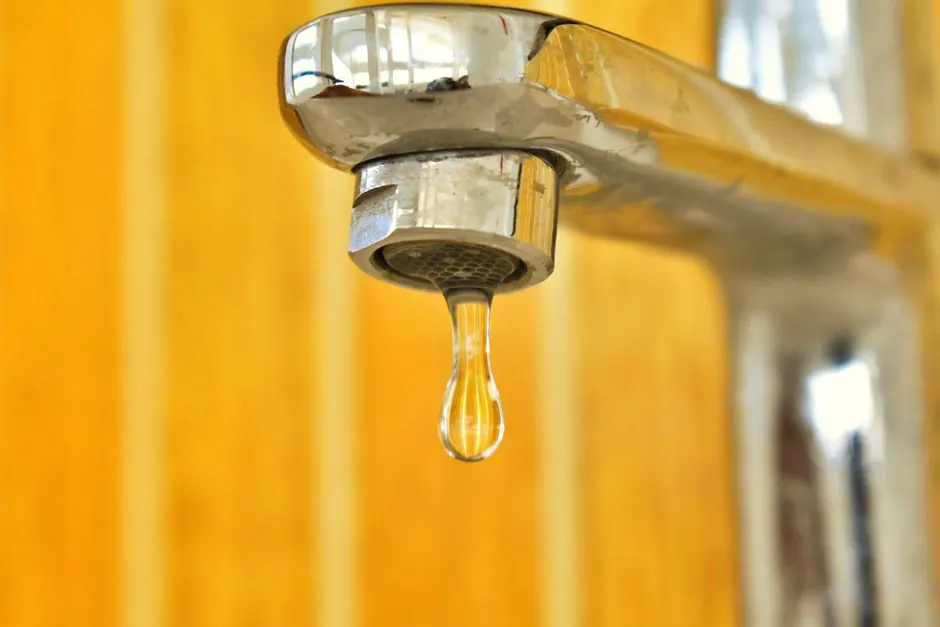
Ten warning signs of a hidden water leak, how to confirm one with a meter test, and when to bring in a leak detection professional in Oak Park, IL.
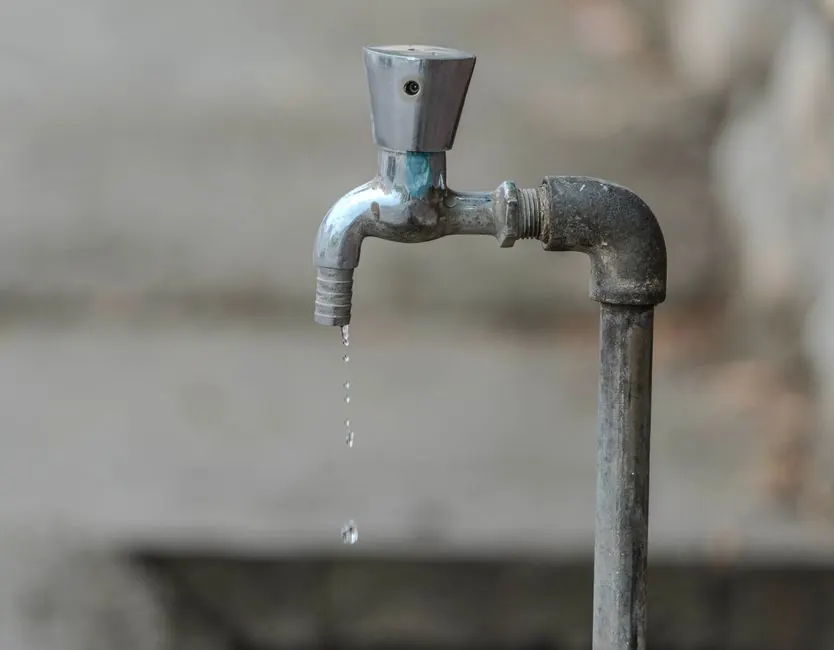
Practical leak detection tips for Oak Park homeowners: meter tests, fixture checks, seasonal habits and when to call a professional, with local Village information.
Water Leak Detection is available across all four Oak Park ZIP codes: 60301, 60302, 60303, 60304.
Tell us what you are seeing — a damp spot, a high water bill, a sound in the wall — and we will point you to a local leak detection professional who can look at it.
Phone
(708) 221-8167Address
439 Madison St
Oak Park, IL 60302
Service ZIP Codes
60301, 60302, 60303, 60304
Oak Park, Cook County, Illinois