Video inspection
A camera travels through the pipe and records what it finds.
Quick Answer
A pipe inspection uses a small waterproof camera, and sometimes a locator, to look inside drains and sewer lines. It is useful when you have recurring clogs, odors, backups or are buying an older home, and for finding where a line is cracked, offset, root-filled or collapsed.
A complete inspection records, locates and explains.
A camera travels through the pipe and records what it finds.
A transmitter in the camera head lets the surface locator mark position and depth.
Pipe material, joints, cracks, scale, roots and sags.
A recommendation on cleaning, repair or replacement.
Many Oak Park buildings pre-date modern plumbing materials. You may find cast-iron drain stacks, clay-tile or cast-iron house sewers, galvanized supply pipes and copper from various eras in the same home. Inspecting what you actually have is better than guessing.
Cameras are most useful in drains and sewers, which are large enough for a camera head. Supply lines are too small for cameras and are assessed with pressure tests, acoustic equipment and visual inspection of accessible sections.
For leaks specifically, see water leak detection; for sewers see sewer and drain leak detection. If you are buying a home, an inspection of the sewer lateral is a useful companion to your general home inspection.
Straightforward and recorded.
Access
Through a cleanout, vent or fixture.
Inspect
Camera runs through the pipe, recording.
Locate
Problem points are marked.
Review
You see the footage and hear options.
Push camera
Flexible cable and camera head.
Locator and sonde
Traces and marks depth.
Cleaning tools
Clear debris if needed.
Pressure gauges
Test supply lines.
Video recording
A record for decisions.
Slope checking
Find bellies and low points.
Joint inspection
Look for offsets and cracks.
01
What happens: The line is inspected to find the cause.
→ Choose repair instead of repeated cleaning.
02
What happens: The sewer is inspected.
→ Know the condition before closing.
03
What happens: Know what pipes you have.
→ Plan upgrades with accurate information.
Neighborhood era and trees both matter.
A dense stock of pre-1950 buildings.
Frank Lloyd Wright Historic District
Old plumbing in historic homes.
Mature trees and older laterals.
Cast iron and clay
Both age and crack.
Galvanized steel
Corrodes and restricts flow.
Lead service lines
Illinois law requires communities to plan their replacement.
Facts over guesses.
Problem
A defect keeps causing them.
How It’s Handled
Video finds the defect.
Problem
You cannot plan without knowing.
How It’s Handled
Inspection identifies them.
Problem
Hidden defects are costly.
How It’s Handled
Know before closing.
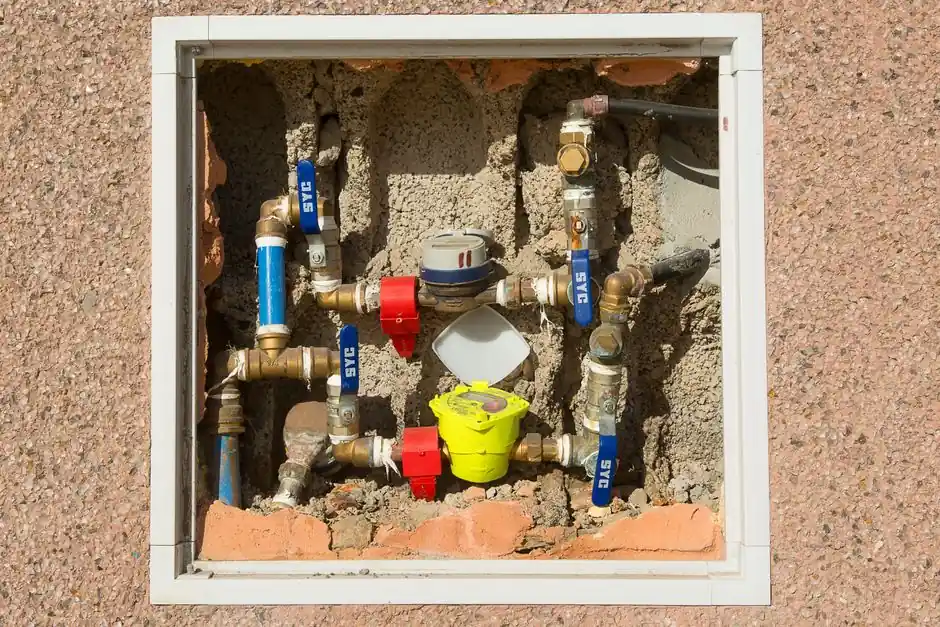
Know what is underground.
Better decisions
Repair, line, or replace.
Cost clarity
Compare bids on equal information.
Documentation
Video record.
Prevention
Find defects early.
LeakFix Oak Park does not perform this work. Independent contractors do; verify license and insurance.
Straight answers about pipe inspection & detection in Oak Park.
Camera inspections of house sewers, laterals and drain lines to find cracks, roots and breaks.
View Sewer & Drain Leak DetectionLocate hidden supply-line, drain and fixture leaks using meter tests, acoustic listening and thermal imaging.
View Water Leak DetectionFind leaks on the buried service line from the parkway valve to your building.
View Underground Water Line Leak DetectionSpot repair, repiping and service line replacement after the leak is found.
View Water Leak RepairRead more about this topic on our blog.
Pipe Inspection & Detection is available across all four Oak Park ZIP codes: 60301, 60302, 60303, 60304.
Tell us what you are seeing — a damp spot, a high water bill, a sound in the wall — and we will point you to a local leak detection professional who can look at it.
Phone
(708) 221-8167Address
439 Madison St
Oak Park, IL 60302
Service ZIP Codes
60301, 60302, 60303, 60304
Oak Park, Cook County, Illinois