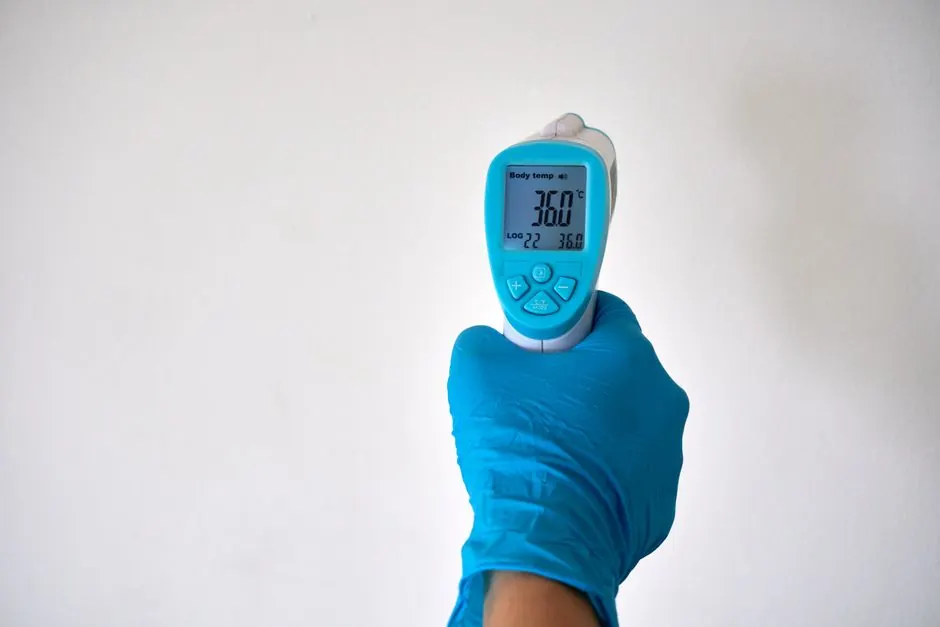
Meter and pressure confirmation
Shows whether the water loss is on the supply side and whether it is large enough to suggest a slab leak.
Quick Answer
A slab leak is a leak in a pipe that runs beneath or within a concrete slab floor. It is found by confirming water loss with a meter test, then listening for the leak with acoustic equipment and scanning for warm or damp spots with thermal imaging, so only a small section of concrete needs to be opened if a repair is required.
Slab leak work is about confirming the leak, then limiting how much concrete has to be opened.
Shows whether the water loss is on the supply side and whether it is large enough to suggest a slab leak.
Highly sensitive microphones listen along the floor for the sound of pressurized water escaping.
Hot-water leaks create warm spots on the floor surface that an infrared camera can see.
You receive a clear explanation of whether to repair, reroute or replace the line.
Most Oak Park homes have basements, so true slab-on-grade houses are less common here than in the Sun Belt. That does not mean slab leaks do not happen. They occur in additions built on slabs, attached garages, mid-century and newer construction, first-floor condo units, and commercial spaces in older buildings whose supply lines run under concrete floors. If your home has any of those features, slab leaks are possible.
Another common form is a leak in a heating line. Older hydronic systems may run piping through or beneath floor slabs, and a failure can show up as a warm spot, a hot floor in one location or a high gas bill rather than a high water bill.
Because slab leaks are hard to see, they are among the most misdiagnosed. Many get mistaken for foundation seepage or groundwater. Our basement and foundation leak detection page explains how to tell the difference, and our guide to preventing water damage from a slab leak covers what to do while you wait for repairs.
A careful order of steps keeps the search small and the repair targeted.
Confirm
A meter test with all fixtures off verifies that water is leaving the system.
Isolate
The suspect line is isolated by closing valves, to be sure the leak is in the slab and not elsewhere.
Pinpoint
Acoustic equipment and thermal imaging narrow the leak to a small area of floor.
Plan repair
You receive options such as spot repair through a small opening, rerouting the line overhead, or replacement.
Ground microphone
Picks up the sound of escaping water through concrete and flooring.
Thermal imaging camera
Shows warm patches from hot-water leaks.
Moisture meter
Confirms dampness in flooring above the suspected line.
Pipe locator
Traces the route of buried lines to know where to listen.
Pressure testing
Isolating the hot or cold line and watching the pressure drop identifies the failing line.
Acoustic correlation
Comparing sound at two access points estimates the leak position along the pipe.
Rerouting evaluation
In many cases, running a new line through walls or attic is cleaner than breaking concrete.
01
What happens: A hot-water line under the slab may be leaking.
→ Thermal scanning and acoustic confirmation locate the line before the floor is cut.
02
What happens: The meter is read with water off to confirm a hidden leak.
→ You learn whether the leak is in the slab, a wall, or the yard.
03
What happens: Moisture mapping shows if water is rising through the slab.
→ You separate a plumbing leak from groundwater.
Slabs appear in specific places around the village:
Ground-floor commercial and condo units often have supply lines routed in or under concrete.
Mixed-era housing and later additions near Roosevelt Road may include slab sections.
Attached garages and rear additions on older homes are common slab locations.
Clay-rich Chicago-area soils
Soil movement and moisture changes can stress buried pipes over time.
Freeze-thaw cycles
Winter ground movement can contribute to fractures.
Mixed pipe materials
Copper, galvanized and plastic lines coexist in many older buildings.
Slab leaks can be both costly and confusing.
Problem
A continuous underground leak sends water through the meter every hour.
How It’s Handled
A meter test and isolation confirm it quickly.
Problem
Water under a slab can rise and damage finishes.
How It’s Handled
Moisture mapping and listening locate the source.
Problem
A leak in a hot supply or heating line warms the surface.
How It’s Handled
Thermal imaging shows the exact warm area.

Locating the leak precisely can change the repair entirely.
Smaller opening
Only a small area of concrete is cut, if any.
More repair choices
Rerouting a line can avoid breaking the floor.
Less water wasted
Stopping continuous leaks lowers waste.
Clearer insurance documentation
Findings help document what happened and where.
LeakFix Oak Park does not perform repairs. We connect you with independent contractors; you are responsible for verifying license and insurance.
Straight answers about slab leak detection in Oak Park.
Find leaks on the buried service line from the parkway valve to your building.
View Underground Water Line Leak DetectionInfrared scans that reveal hidden moisture, warm leaks and heating line problems.
View Thermal Imaging Leak DetectionSystematic moisture readings that show how far dampness extends in walls, floors and ceilings.
View Moisture Detection & MappingSpot repair, repiping and service line replacement after the leak is found.
View Water Leak RepairSlab Leak Detection is available across all four Oak Park ZIP codes: 60301, 60302, 60303, 60304.
Tell us what you are seeing — a damp spot, a high water bill, a sound in the wall — and we will point you to a local leak detection professional who can look at it.
Phone
(708) 221-8167Address
439 Madison St
Oak Park, IL 60302
Service ZIP Codes
60301, 60302, 60303, 60304
Oak Park, Cook County, Illinois