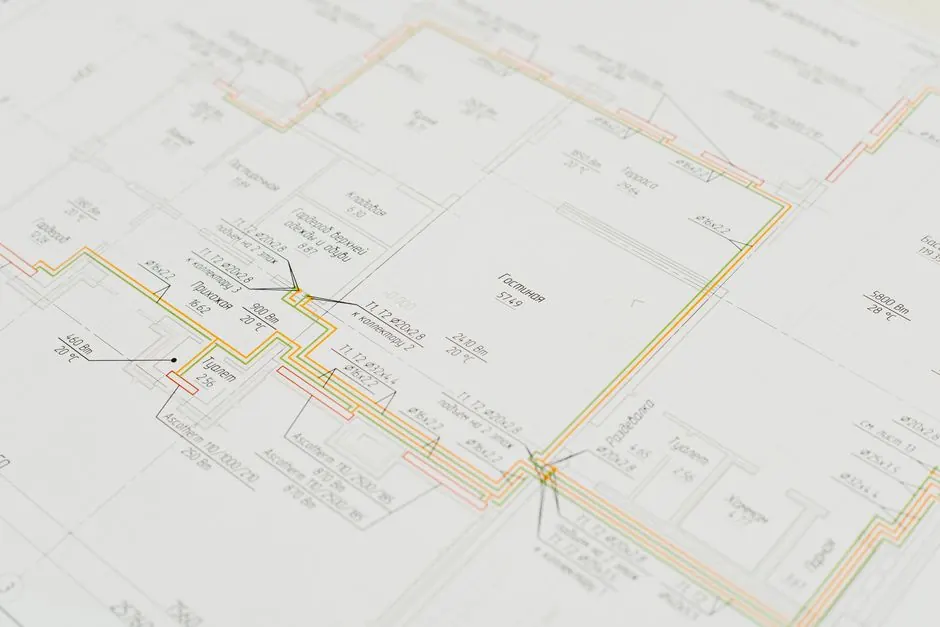
Baseline readings
Dry reference readings from unaffected areas of the same material.
Quick Answer
Moisture mapping is the process of taking systematic moisture readings across walls, ceilings and floors and recording them on a diagram or grid. It shows which areas are wet, how far the moisture extends and whether it is shrinking or growing over time.
Readings must be consistent, recorded and repeatable.
Dry reference readings from unaffected areas of the same material.
Readings taken across the affected area at regular spacing.
An infrared camera supports readings by showing temperature patterns.
A diagram and repeat readings over time to confirm drying.
After a leak, the visible stain is only part of the story. Water wicks through drywall, plaster, wood and insulation, and travels along framing. A moisture map shows the boundary between wet and dry, which tells you how much to dry and how much, if any, to remove.
The EPA advises that porous materials that stay wet for more than 24 to 48 hours can support mold growth. Mapping helps you decide what to dry in place and what must come out, and it provides a baseline to confirm that drying has worked.
Moisture mapping pairs well with thermal imaging and is often a first step in water damage assessment. For wall and ceiling leaks specifically, see in-wall and ceiling pipe leak detection.
Methodical readings.
Baseline
Reference readings on dry materials.
Scan
Move across the area with a pinless meter and thermal camera.
Record
Log readings and mark the wet boundary.
Recheck
Repeat after repair and drying to confirm.
Pinless moisture meter
Scans without damaging surfaces.
Pin moisture meter
Gives readings at depth in wood and plaster.
Thermal camera
Shows patterns of cooling from evaporation.
Hygrometer
Measures humidity and temperature of the air.
Grid mapping
Consistent spacing across the affected area.
Relative comparison
Compare against dry reference readings.
Drying logs
Record readings daily until dry.
01
What happens: The wet area is defined.
→ You know what to dry or replace.
02
What happens: Hidden moisture is located.
→ The source can be identified.
03
What happens: Confirm materials are dry.
→ Avoid coverings failing over damp materials.
Different building types hold moisture differently:
Frank Lloyd Wright Historic District
Plaster and old woodwork dry slowly and need careful monitoring.
Balloon-frame and Foursquare houses with open wall cavities.
Masonry buildings can hold moisture in brick and mortar.
Winter condensation
Cold surfaces collect moisture.
Humid summers
High humidity slows drying.
Basements
Concrete can hold and wick moisture.
Define the problem.
Problem
Stains understate wet areas.
How It’s Handled
Mapping defines the boundary.
Problem
Surfaces look dry long before cavities are.
How It’s Handled
Repeat readings show progress.
Problem
Persistent moisture raises mold risk.
How It’s Handled
Mapping shows where to focus.
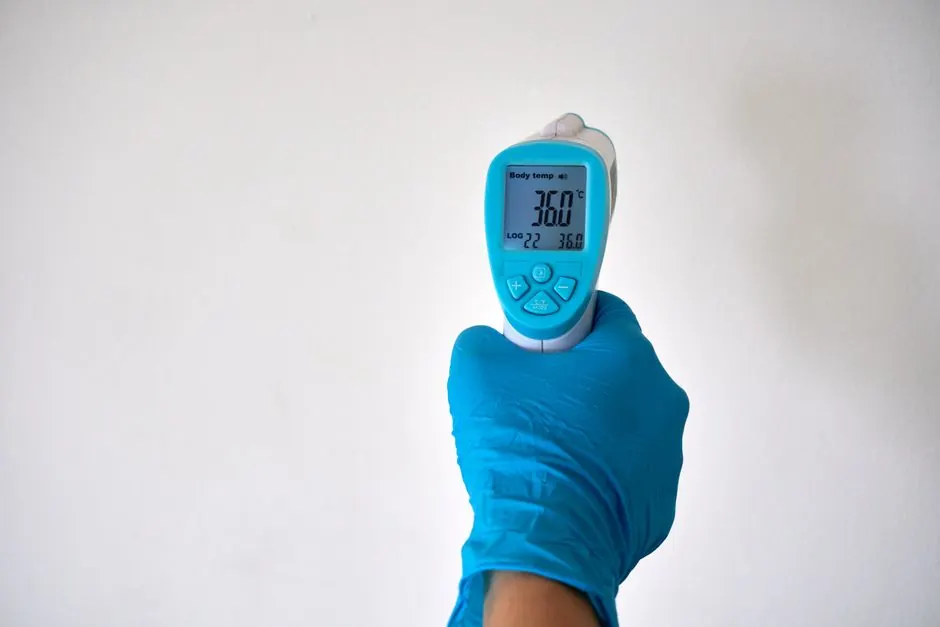
Information for decisions.
Targeted drying
Only wet areas get attention.
Less demolition
Remove only what has to go.
Documentation
Records for insurers and contractors.
Confidence
Confirm that materials are dry.
LeakFix Oak Park does not perform this work. Independent contractors do; verify license and insurance.
Straight answers about moisture detection & mapping in Oak Park.
Infrared scans that reveal hidden moisture, warm leaks and heating line problems.
View Thermal Imaging Leak DetectionUnderstand the source, category and spread of water damage before repair begins.
View Water Damage AssessmentFind leaks behind plaster, drywall and ceilings using thermal imaging and moisture mapping.
View In-Wall & Ceiling Pipe Leak DetectionTell plumbing leaks from seepage, groundwater and sewer backups in Oak Park basements.
View Basement & Foundation Leak DetectionMoisture Detection & Mapping is available across all four Oak Park ZIP codes: 60301, 60302, 60303, 60304.
Tell us what you are seeing — a damp spot, a high water bill, a sound in the wall — and we will point you to a local leak detection professional who can look at it.
Phone
(708) 221-8167Address
439 Madison St
Oak Park, IL 60302
Service ZIP Codes
60301, 60302, 60303, 60304
Oak Park, Cook County, Illinois