
Plumbing review
Visible supply and drain lines, valves and the water heater are checked for leaks.
Quick Answer
Basement water usually comes from one of four sources: a plumbing leak, groundwater seeping through walls or floors, surface water entering through windows or cracks, or a sewer backup during heavy rain. A moisture check, a water-meter test and a review of timing relative to rain help identify which one.
Because there are several possible sources, the work begins by ruling things out.
Visible supply and drain lines, valves and the water heater are checked for leaks.
Readings on walls and floors show where moisture is entering and how it moves.
Floor drains, cleanouts and the main line are reviewed for backup risk.
Grading, downspouts and window wells are checked as likely entry paths.
Nearly every Oak Park home has a basement, and many are finished or used for laundry, storage and mechanical systems. The Village of Oak Park explains that most homes use gravity sewer systems and that many connect toilets, sinks and downspouts to the house sewer. When the street main fills during heavy rain, those lines can drain poorly and back up. The Village notes that the effect is especially significant in the northeast part of the village.
That means two different kinds of basement water can look alike: water from a plumbing leak and water from a rainstorm. The difference is timing. Plumbing leaks continue in dry weather; seepage and backups track rainfall. A water meter test is the quickest way to separate them.
Practical preventive steps listed by the Village include disconnecting downspouts, sealing walls and floors, installing drain tile and a sump pump, and installing overhead sewer plumbing. See flood detection and prevention and our article why is my basement leaking water in Oak Park.
A logical approach avoids expensive wrong guesses.
Timeline
When did the water appear? Only after rain, or in dry weather too?
Meter test
Water-off meter reading shows whether a pipe is leaking.
Map
Moisture readings map the wet area and where it begins.
Report
A summary explains the likely source and the repair category: plumbing, waterproofing, or sewer.
Moisture meter
Reads moisture in concrete, block and framing.
Thermal camera
Shows damp areas and temperature differences on walls.
Drain camera
Inspects floor drains and main lines.
Hygrometer
Measures humidity to identify condensation issues.
Meter test
Detects supply leaks regardless of weather.
Rain correlation
Comparing wet periods with rainfall points to seepage or backup.
Dye tracing
A harmless dye in floor drains or fixtures can show where water travels.
01
What happens: Moisture mapping and exterior review look for seepage or backup paths.
→ You choose the right fix: drainage, sealing, or backflow prevention.
02
What happens: Supply, drain and appliance lines are checked.
→ A plumbing leak is repaired instead of waterproofing.
03
What happens: Moisture readings and humidity are measured.
→ You learn whether the issue is leaks, seepage or condensation.
Water entry patterns differ across the village:
The Village identifies the northeast quadrant as especially affected by heavy rainfall impacts.
Older Foursquare basements with original foundations.
Bungalows and Prairie-era homes with original block or stone foundations.
Combined sewer connections
Many homes connect downspouts and fixtures to the house sewer.
Sewer capacity
Oak Park's sewers connect to the MWRD system and share its capacity.
Village grant program
The Village has offered a Sewer Backup Protection Grant covering 50 percent of eligible costs up to $3,500 for overhead sewers or backflow prevention; confirm current availability.
Misdiagnosis is the main cost risk.
Problem
Seepage, backups and condensation mimic leaks.
How It’s Handled
Moisture mapping and meter tests separate them.
Problem
Backups often repeat in heavy rain.
How It’s Handled
Backflow prevention or overhead sewers may be options.
Problem
Cracks may be seepage or pipe-related.
How It’s Handled
Testing before sealing prevents wasted repairs.
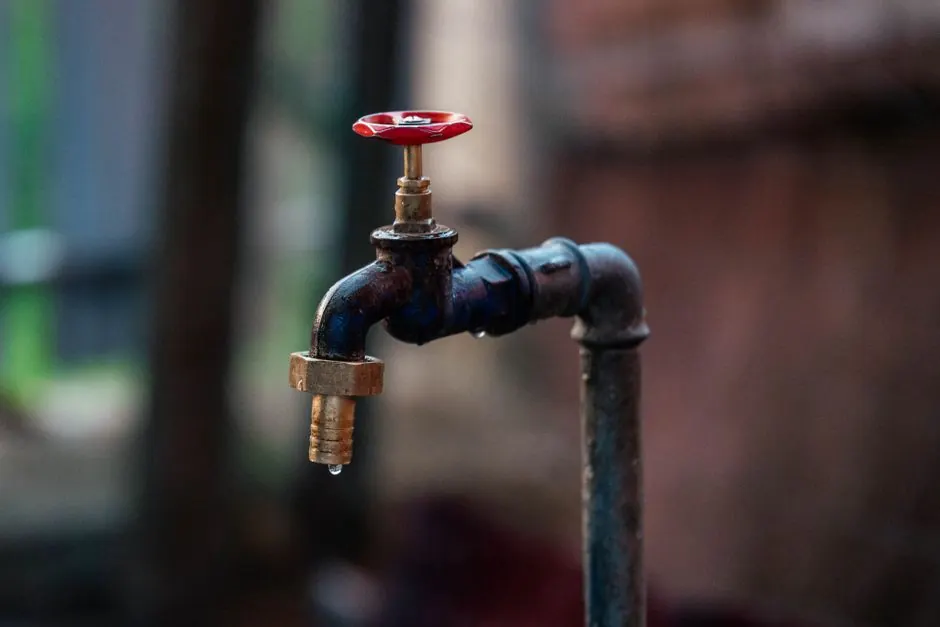
Targeted repairs save money.
Right repair first time
Plumbing, waterproofing and sewer work are different trades.
Protect belongings
Moving stored items and electronics prevents loss.
Access to programs
Knowing the cause helps you consider Village programs.
Better insurance conversations
Source information affects what is covered.
LeakFix Oak Park does not perform work. Independent contractors do; verify their license and insurance yourself.

Straight answers about basement & foundation leak detection in Oak Park.
Sump pumps, backflow prevention, downspouts and Village programs for basement flooding.
View Flood Detection & PreventionCamera inspections of house sewers, laterals and drain lines to find cracks, roots and breaks.
View Sewer & Drain Leak DetectionSystematic moisture readings that show how far dampness extends in walls, floors and ceilings.
View Moisture Detection & MappingUnderstand the source, category and spread of water damage before repair begins.
View Water Damage AssessmentRead more about this topic on our blog.
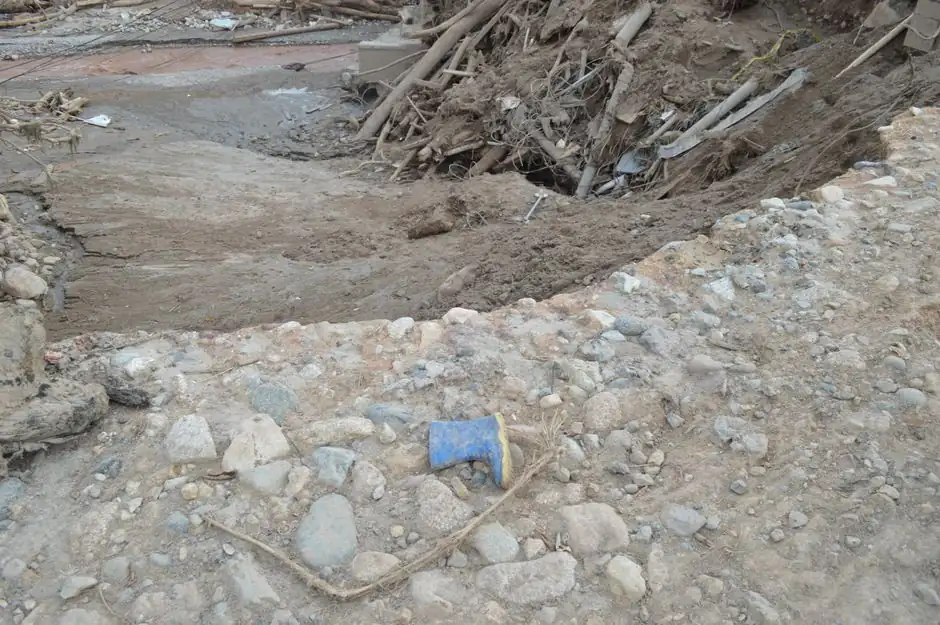
The four common causes of a wet basement in Oak Park: plumbing leaks, seepage, surface water and sewer backup, and how to tell which one you have.

How to prepare an Oak Park home for heavy rain: downspouts, sump pumps, backflow prevention, MWRD alerts and Village programs for basement flooding.
Basement & Foundation Leak Detection is available across all four Oak Park ZIP codes: 60301, 60302, 60303, 60304.
Tell us what you are seeing — a damp spot, a high water bill, a sound in the wall — and we will point you to a local leak detection professional who can look at it.
Phone
(708) 221-8167Address
439 Madison St
Oak Park, IL 60302
Service ZIP Codes
60301, 60302, 60303, 60304
Oak Park, Cook County, Illinois