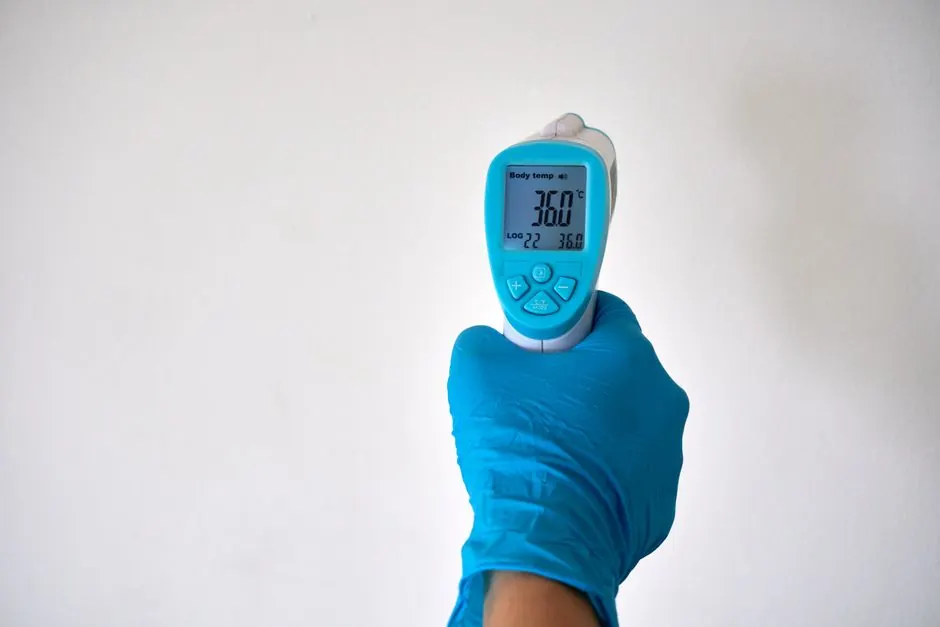
Risers and mains
Vertical supply and drain stacks and the building's main entry are tested for leaks and pressure loss.
Quick Answer
Commercial leak detection is the process of finding water leaks in non-residential and multi-unit buildings, including supply lines, risers, drains, roof drains and mechanical equipment. It relies on non-invasive tools so tenants can stay open while the source is located.
Larger buildings have more systems, more shutoffs and more people affected by a failure.
Vertical supply and drain stacks and the building's main entry are tested for leaks and pressure loss.
High-use fixtures, floor drains, grease interceptors and dish-machine connections are reviewed.
Boilers, water heaters, chillers, backflow preventers and pumps are checked for weeps and corrosion.
Roof drains and penetrations are reviewed when interior staining suggests water is entering from above.
Downtown Oak Park and the Lake Street, Madison Street and Harrison Street corridors have a dense mix of older masonry buildings, restaurants, medical offices and apartment buildings. A leak in these buildings can travel through shared walls or floors and affect a neighbor before it affects you, so speed and accuracy matter.
Property managers often face two questions after a leak: where is it coming from, and who is responsible? A detection report that documents the source, the affected areas and the system involved helps answer both, and it can support conversations with tenants, contractors and insurers.
For in-unit stains, see in-wall and ceiling pipe leak detection. For after-the-fact assessment, see water damage assessment. For the neighborhood most affected by commercial buildings, see Downtown Oak Park.
Planning around business hours keeps disruption low.
Scope
You describe the building, tenants, shutoffs, and any known history so the work can be planned.
Isolate
Zones and risers are valved off in sequence to find which section is losing water.
Pinpoint
Thermal, acoustic and moisture tools identify the leak without opening finished spaces.
Document
A written summary lists affected areas, the leaking system and recommended next steps.
Thermal imaging
Scans ceilings, walls and floors across large areas quickly.
Acoustic correlators
Compare sounds at two points on a line to estimate the leak position.
Pipe camera
Inspects drains and stacks that cannot be viewed directly.
Ultrasonic sensors
Listen for tiny leaks around valves and fittings.
Zone isolation
Closing valves to isolate floors or branches shows which one is leaking.
Pressure decay testing
Monitors pressure loss in closed lines over time.
Moisture mapping
Documents the size of wet areas for tenants, owners and insurers.
01
What happens: The source above is traced through the floor above, the riser or the roof.
→ You identify the true source before repairing the wrong thing.
02
What happens: The master meter and sub-meters are compared to find which part is leaking.
→ You stop paying for lost water and prevent tenant damage.
03
What happens: Drains, supply lines and equipment hookups are tested.
→ The source is repaired without closing for extended periods.
Commercial activity is concentrated in a few corridors:
Lake Street and Marion Street buildings, restaurants and offices, near the Metra and CTA stations.
Civic and library buildings and nearby mixed-use blocks along Lake Street.
Harrison Street Arts District and Roosevelt Road commercial strips.
Older masonry buildings
Many commercial buildings are decades old with mixed plumbing materials.
Shared walls
Leaks can pass into adjoining spaces, affecting several tenants.
Business hours
Detection must often be done around opening and closing times.
Business owners need quick answers with minimal disruption.
Problem
When several units are affected, the origin can be unclear.
How It’s Handled
A documented source and path help assign responsibility.
Problem
Leaks can affect multiple tenants quickly.
How It’s Handled
Pinpointing limits how much material must be opened and replaced.
Problem
Hidden leaks in large systems waste a lot of water.
How It’s Handled
Isolation testing finds the leaking zone.
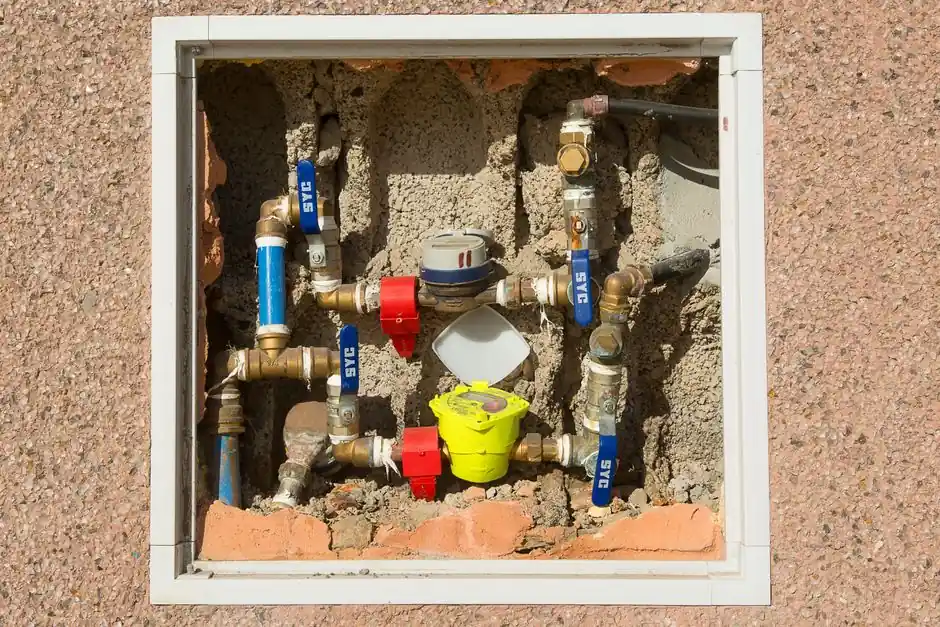
A documented approach protects your building and your tenants.
Less downtime
Non-invasive methods keep the space usable.
Faster answers
Methodical isolation avoids trial-and-error repairs.
Better records
Written findings support insurance and tenant conversations.
Lower long-term cost
Fixing the right component first avoids repeat repairs.
LeakFix Oak Park does not perform work itself. We help you connect with independent contractors. It is up to you to verify license and insurance.
Straight answers about commercial leak detection in Oak Park.
Understand the source, category and spread of water damage before repair begins.
View Water Damage AssessmentVideo camera inspection and location of drain and sewer pipes and accessible lines.
View Pipe Inspection & DetectionFirst steps and next calls when a leak is active and cannot wait.
View Emergency Leak DetectionSump pumps, backflow prevention, downspouts and Village programs for basement flooding.
View Flood Detection & PreventionRead more about this topic on our blog.
Commercial Leak Detection is available across all four Oak Park ZIP codes: 60301, 60302, 60303, 60304.
Tell us what you are seeing — a damp spot, a high water bill, a sound in the wall — and we will point you to a local leak detection professional who can look at it.
Phone
(708) 221-8167Address
439 Madison St
Oak Park, IL 60302
Service ZIP Codes
60301, 60302, 60303, 60304
Oak Park, Cook County, Illinois