
Stop the water
Locate the fixture stop valve or the main shut-off inside the home so you can stop flow quickly.
Quick Answer
Shut off the water at the fixture's stop valve or at the main shut-off, turn off electricity to wet areas only if it is safe to do so, move valuables out of the way and take photos. Then call a leak detection or plumbing professional so the source can be found and repaired.
Emergency response has two phases: stopping the water, then finding the cause.
Locate the fixture stop valve or the main shut-off inside the home so you can stop flow quickly.
Avoid standing water near outlets or appliances; if unsure, stay out and call a professional.
Photos and video of the leak and damage help with repair planning and any insurance claim.
Once the water is stopped, detection pinpoints where it came from so the right repair is done.
Emergencies are rarely a surprise in hindsight. A burst pipe in January, a failed washing-machine hose, a water heater that gives way or a sewer backup after heavy rain: each starts with someone discovering water where it should not be. The most helpful thing you can do before an emergency is to know where your main water shut-off is and test that it turns.
In Oak Park, the main shut-off for your building is inside the home. The Village's own shut-off valve is in the parkway, and the Village says only Village employees may turn it. If you cannot stop the flow yourself, call Public Works at 708.358.5700 to ask about the next step for a service-line problem.
After the water is stopped, detection can begin. Our guides on what to do if you have a flood in Oak Park and what to consider for emergency leak detection services walk through the decisions in more detail.
A simple order of operations.
Stop the flow
Close the nearest stop valve or the main. If the main will not close, call a plumber right away.
Protect people
Keep everyone clear of electrical hazards and slippery floors; if a ceiling is bulging, stay out from under it.
Limit damage
Move belongings, lift rugs, and start removing standing water if it is safe.
Call and document
Photograph damage, then call for help. Describe the symptoms and what you shut off.
Moisture meters
Show how far water has traveled into walls and floors.
Thermal camera
Finds hidden wet areas that are not visible yet.
Acoustic detection
Locates the leak in a pressurized line once water is back on.
Drain camera
Used when a backup or drain leak is suspected.
Isolation testing
Valves are closed in sequence to find which line failed.
Moisture mapping
Marks the extent of wetness so drying can be targeted.
Pressure testing
Confirms the repaired line holds before walls are closed.
01
What happens: Water is shut off, the area is made safe, and the failed section is located and repaired.
→ Damage is limited and drying can begin sooner.
02
What happens: Power to the area is considered, the source above is traced, and the ceiling is monitored.
→ The ceiling is protected from collapse and the source is repaired.
03
What happens: The line is isolated to find whether the leak is inside or on the service line.
→ You stop a high-volume leak before it becomes a flood.
Where your home is can change the first call you make:
The Village notes heavy rain is especially problematic in the northeast quadrant, which can mean basement backups.
Frank Lloyd Wright Historic District
Historic homes need careful, non-invasive response to protect original finishes.
Multi-tenant buildings may require notifying neighbors and managers quickly.
Winter freeze
Freezing and thawing of pipes is a leading cause of sudden leaks.
Heavy rain and storms
Sewer backups and basement seepage may follow intense storms.
Older shut-offs
Old main valves can seize; exercise yours twice a year.
Detection helps after the immediate crisis too.
Problem
Once the water is off, the source may still be unclear.
How It’s Handled
Acoustic and thermal tools locate the failed section.
Problem
Hidden moisture can continue to cause damage.
How It’s Handled
Moisture mapping shows the footprint.
Problem
A repaired line should be pressure tested before closing walls.
How It’s Handled
Testing before closing confirms the fix.
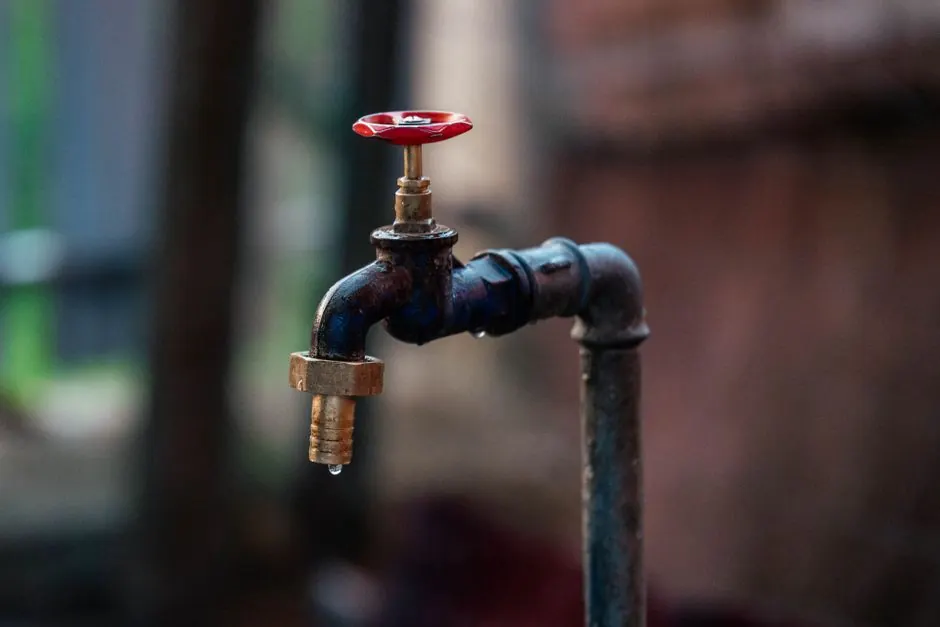
A few minutes of preparation reduces the cost of a leak.
Know your shut-off
Everyone in the household should know where it is and how it turns.
Faster stop
Quick shut-off typically reduces the area that needs drying.
Better records
Photos and notes support repair planning and insurance.
Calmer decisions
A checklist keeps you from making rushed choices.
LeakFix Oak Park does not perform repairs and cannot promise a response time. Independent contractors set their own availability, so ask them directly.
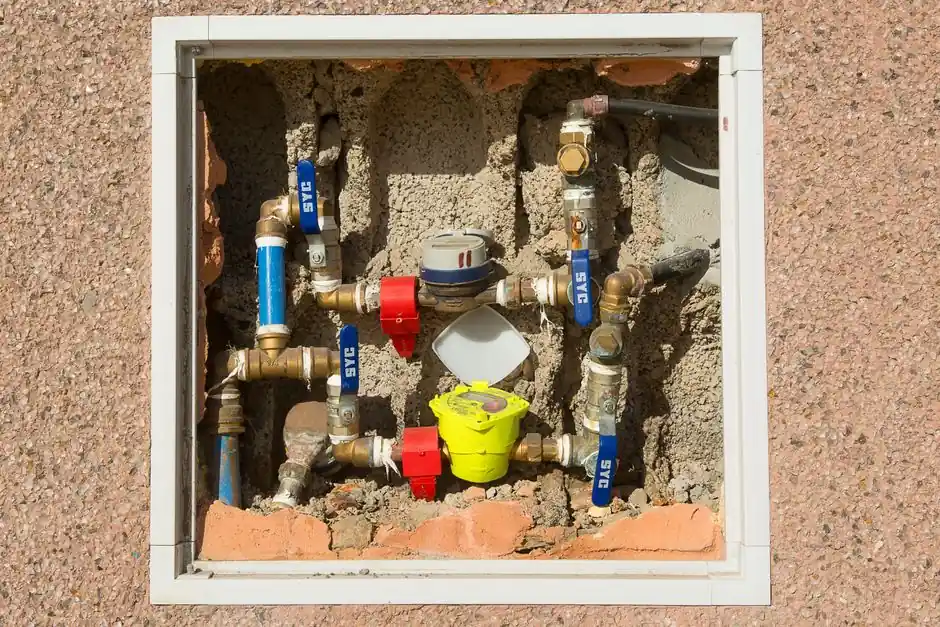
Straight answers about emergency leak detection in Oak Park.
Understand the source, category and spread of water damage before repair begins.
View Water Damage AssessmentSump pumps, backflow prevention, downspouts and Village programs for basement flooding.
View Flood Detection & PreventionSpot repair, repiping and service line replacement after the leak is found.
View Water Leak RepairDocument the cause, location and extent of a leak so you can discuss it clearly with your insurer.
View Insurance Claim Support for Leak DamageRead more about this topic on our blog.
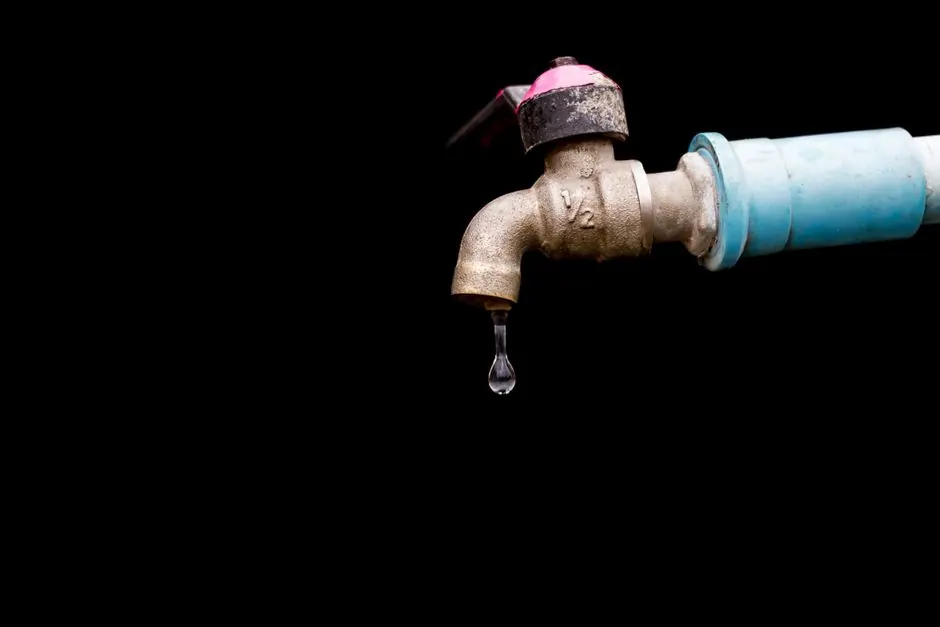
What matters when a leak cannot wait: stopping the water, who to call, response times, documentation and avoiding rushed decisions in Oak Park, IL.
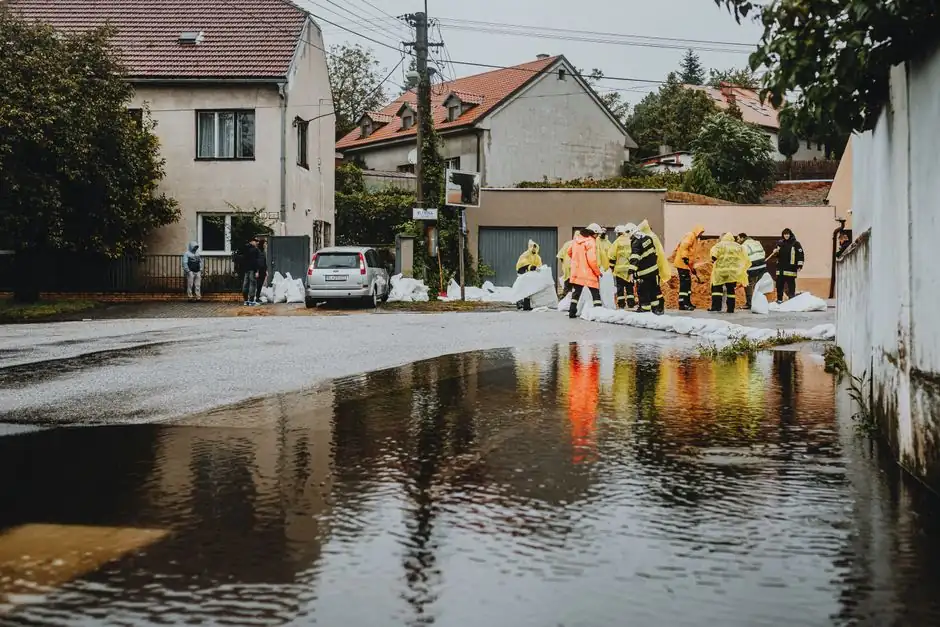
Step-by-step guidance for a basement flood or sewer backup in Oak Park, IL: safety, documentation, drying, insurance and Village contacts.
Emergency Leak Detection is available across all four Oak Park ZIP codes: 60301, 60302, 60303, 60304.
Tell us what you are seeing — a damp spot, a high water bill, a sound in the wall — and we will point you to a local leak detection professional who can look at it.
Phone
(708) 221-8167Address
439 Madison St
Oak Park, IL 60302
Service ZIP Codes
60301, 60302, 60303, 60304
Oak Park, Cook County, Illinois