Source and category
Where the water came from and whether it is clean, gray or contaminated.
Quick Answer
It tells you the source and category of the water, how far moisture has spread, which materials are affected and which can be dried in place versus replaced. That information lets you plan drying, repairs and any insurance discussions.
A good assessment is organized and written down.
Where the water came from and whether it is clean, gray or contaminated.
Moisture readings and mapping across floors, walls and ceilings.
Which materials can be dried and which must be removed.
A sequence for drying, repair and restoration.
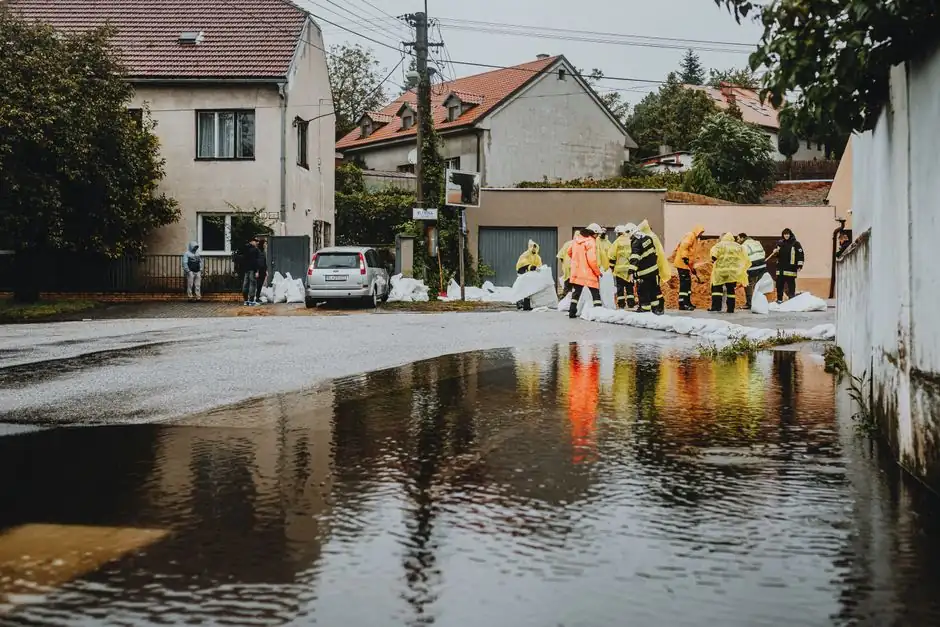
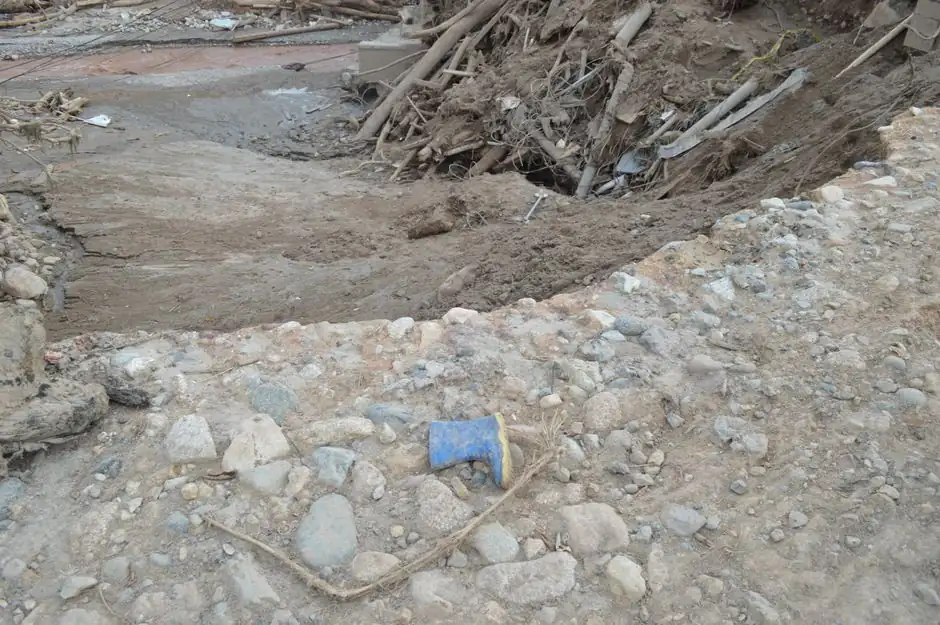
Water damage is usually described by the source and category of water. Clean-water sources, such as a broken supply line, are different from gray water, such as washing machine or dishwasher discharge, and from black water, such as sewage or floodwater. Contaminated water requires more cautious handling and removal of porous materials.
Timing matters. The EPA advises drying wet materials within 24 to 48 hours to limit mold growth. If materials have been wet longer, an assessment can help decide whether they can still be saved.
This page covers assessment, not repair. If the source is not yet found, see water leak detection. For documentation, see insurance claim support, and for moisture readings see moisture detection and mapping.
Observe, measure, classify.
Safety
Check electrical hazards, structural concerns and contamination.
Measure
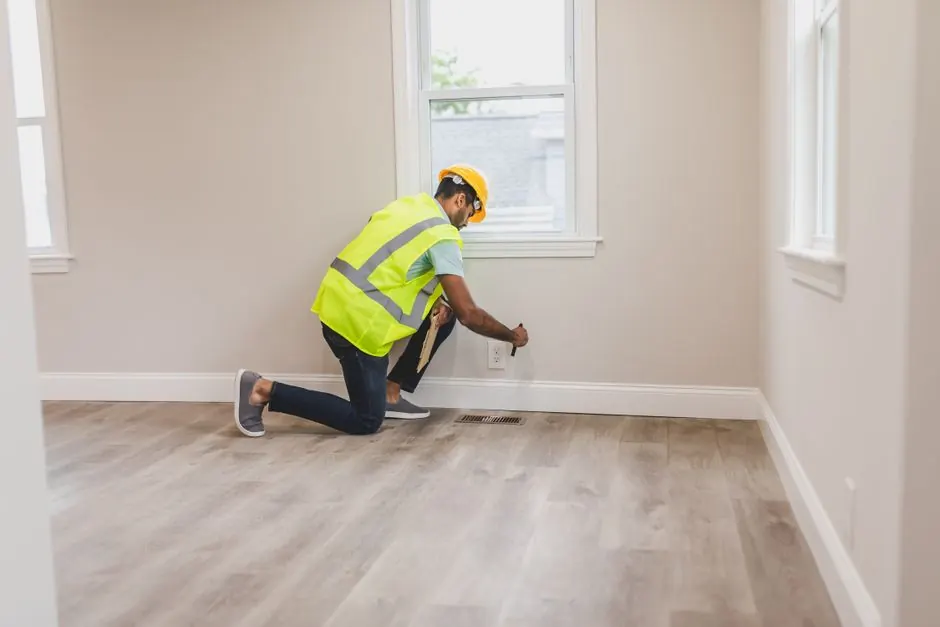
Take moisture readings and map the affected area.
Classify
Identify the water category and materials.
Plan
Recommend drying, removal and repair steps.
Moisture meters
Measure moisture in materials.
Thermal camera
Shows patterns of wetness.
Hygrometer
Measures humidity.
Camera
Records conditions.
Clean water
From supply lines or rain; lower risk but time-sensitive.
Gray water
From appliances; contains contaminants.
Black water
From sewage or floodwater; requires careful removal.
01
What happens: Find the extent of wetness.
→ Plan drying.
02
What happens: Identify contaminated materials.
→ Remove what cannot be cleaned.
03
What happens: Document damage.
→ Present clear information.
Building type shapes damage patterns.
Basement flooding during heavy rain.
Frank Lloyd Wright Historic District
Historic finishes need careful drying.
Multi-tenant buildings where water crosses units.
Plaster and lath
Slow to dry and difficult to repair.
Finished basements
Carpet and drywall absorb water.
Humidity
Summer humidity slows drying.
Clarity.
Problem
Visible damage underestimates it.
How It’s Handled
Mapping defines it.
Problem
Gray and black water pose risks.
How It’s Handled
Classification guides handling.
Problem
Contractors may disagree.
How It’s Handled
A written assessment is a reference.
Make the right plan.
Right-sized repairs
Remove only what needs removal.
Safer cleanup
Handle contamination properly.
Better records
Support claims.
Faster recovery
A clear plan avoids delay.
LeakFix Oak Park does not perform assessments or restoration. Independent contractors do; verify license and insurance.
Straight answers about water damage assessment in Oak Park.
Systematic moisture readings that show how far dampness extends in walls, floors and ceilings.
View Moisture Detection & MappingDocument the cause, location and extent of a leak so you can discuss it clearly with your insurer.
View Insurance Claim Support for Leak DamageSump pumps, backflow prevention, downspouts and Village programs for basement flooding.
View Flood Detection & PreventionFirst steps and next calls when a leak is active and cannot wait.
View Emergency Leak DetectionWater Damage Assessment is available across all four Oak Park ZIP codes: 60301, 60302, 60303, 60304.
Tell us what you are seeing — a damp spot, a high water bill, a sound in the wall — and we will point you to a local leak detection professional who can look at it.
Phone
(708) 221-8167Address
439 Madison St
Oak Park, IL 60302
Service ZIP Codes
60301, 60302, 60303, 60304
Oak Park, Cook County, Illinois