
Bathrooms and kitchens
Supply stops, shower valves, tub spouts, toilets and sink traps are checked, since these rooms account for most household leaks.
Quick Answer
Residential leak detection covers the whole home plumbing system: meter test, fixtures, supply lines, drains, appliances, the water heater and, when needed, the service line outside. The aim is to locate the source with non-invasive tools so repairs are as small as possible.
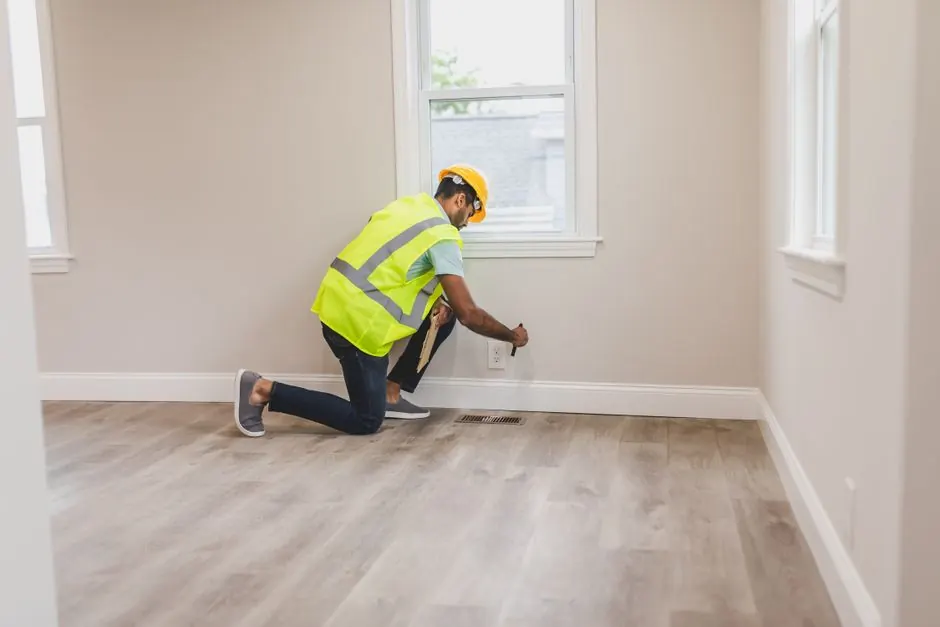
A home inspection for leaks follows the water from where it enters to every place it is used.
Supply stops, shower valves, tub spouts, toilets and sink traps are checked, since these rooms account for most household leaks.
Washing machine hoses, dishwasher lines, ice-maker lines and water heaters are common slow-leak sources.
Visible piping, floor drains, sump areas and the main shut-off are reviewed for corrosion and weeping.
Hose bibs, sprinkler tie-ins and the service line entry are checked for leaks that do not show indoors.
The housing mix in Oak Park is unusual: large Prairie School and Queen Anne houses, American Foursquares, bungalows, brick two-flats and mid-rise condo buildings. Each type tends to leak in different places. A two-flat may have a bathroom stacked directly over another unit's ceiling. A bungalow may have a single lead-era service line feeding the whole house. A condo may share risers with neighbors, making the source and responsibility less obvious.
Most residential leaks fall into three categories: fixture leaks (toilets, faucets, supply stops), pipe leaks (supply and drain lines) and appliance leaks (water heaters, washers, dishwashers). A good inspection begins with the cheapest, most likely sources and only then moves to hidden lines.
If you want to understand the physical signs yourself first, start with essential leak detection tips for Oak Park residents. For fixture-level problems, see toilet and faucet leak detection; for stains in finished rooms, see in-wall and ceiling pipe leak detection.
The sequence keeps the search quick and inexpensive.
Talk it through
You describe symptoms: bills, stains, sounds, pressure changes, recent plumbing work.
Test the system
Meter test, pressure check and valve isolation show where the water is going.
Inspect and scan
Fixtures and likely areas are checked, then thermal and moisture tools scan finished surfaces.
Explain findings
You get a plain-language explanation of what was found and what repair would address it.
Infrared camera
Highlights cool, damp areas on walls and ceilings that look dry to the eye.
Pin and pinless moisture meters
Confirm moisture in drywall, plaster, subfloors and trim.
Acoustic sensors
Listen for pressurized-water leaks in pipes behind walls and below slabs.
Borescope camera
A small camera can check inside cavities through a small access hole.
Meter test
Establishes whether any water is moving when the house is idle.
Dye and flapper tests
Identify silent toilet leaks that waste hundreds of gallons a month.
Moisture mapping
A grid of readings shows exactly where wet materials end so you only repair what is needed.
01
What happens: The meter is checked with all water off, then the system is divided to find the leaking section.
→ You find out whether the leak is inside or on the service line before spending on repairs.
02
What happens: The bathroom above is tested: tub, shower pan, supply and drain.
→ The actual source is repaired, not just the stain.
03
What happens: Piping, drains and walls are checked to separate a plumbing leak from seepage or groundwater.
→ You learn whether you need a plumber, waterproofing or both.
Where you live in Oak Park influences what you are likely to find:
Brick two-flats and Foursquares near Oak Park Avenue and Madison Street with original cast-iron drains.
Bungalows and Prairie-era houses where upstairs bathrooms were added over time.
Mixed housing near Roosevelt Road and Madison Street with a range of renovation histories.
Home age
Most Oak Park housing dates from 1892 to 1950, so mixed-era plumbing is common.
Additions and conversions
Upstairs baths and attic conversions can introduce stacked leaks.
Freezing weather
Pipes in exterior walls and unheated porches are exposed in cold snaps.
Whole-home checks are most useful when symptoms are vague.
Problem
Leaks run continuously, so even small ones add up.
How It’s Handled
A meter test and isolation find the leaking zone in a short visit.
Problem
Moisture behind finishes can come from a pipe, a roof, or condensation.
How It’s Handled
Moisture meters and thermal imaging tell you which.
Problem
A damp cavity can smell even if it looks dry.
How It’s Handled
Tracing the moisture source avoids repeated cosmetic fixes.

A single visit gives you a baseline for your whole system.
Peace of mind
You know whether your plumbing is dry and sound, especially before a long trip.
Targeted repairs
Only the failing part is repaired.
Useful for buying or selling
Pinpointing and documenting leaks helps during home transactions.
Prevention
Identifying worn hoses and valves lets you replace them before they fail.
LeakFix Oak Park is an information and connection service. All contractors are independent, and checking license and insurance is the homeowner's responsibility.
Straight answers about residential leak detection in Oak Park.
Locate hidden supply-line, drain and fixture leaks using meter tests, acoustic listening and thermal imaging.
View Water Leak DetectionRoom-by-room leak checks for bathrooms, kitchens, laundry rooms, basements and appliances.
View Indoor Leak DetectionDye tests, supply stop checks and fixes for silent toilet leaks and dripping faucets.
View Toilet, Faucet & Fixture Leak DetectionA seasonal checklist for hoses, valves, water heaters, sump pumps and outdoor plumbing.
View Preventative Leak MaintenanceRead more about this topic on our blog.
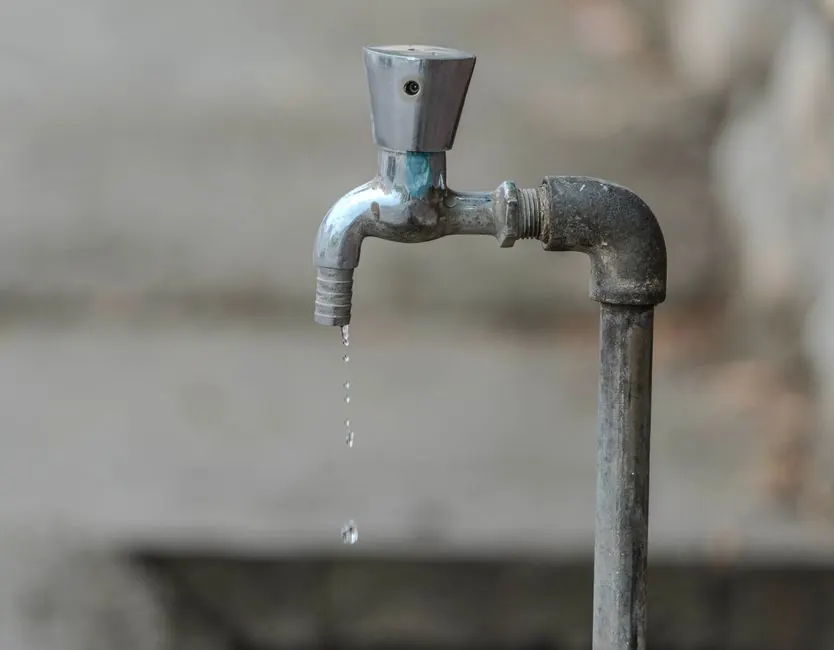
Practical leak detection tips for Oak Park homeowners: meter tests, fixture checks, seasonal habits and when to call a professional, with local Village information.

What affects the cost of leak detection in Oak Park, IL, how providers structure pricing, and the questions to ask so you can compare contractors fairly.
Residential Leak Detection is available across all four Oak Park ZIP codes: 60301, 60302, 60303, 60304.
Tell us what you are seeing — a damp spot, a high water bill, a sound in the wall — and we will point you to a local leak detection professional who can look at it.
Phone
(708) 221-8167Address
439 Madison St
Oak Park, IL 60302
Service ZIP Codes
60301, 60302, 60303, 60304
Oak Park, Cook County, Illinois